Every Athlete’s Fear: One Wrong Move, Months of Recovery
Whether you’re a weekend footballer, a fitness enthusiast, or a professional athlete — you know that sports injuries can happen in a split second. A sudden twist, an awkward landing, or overtraining can turn a game into a long recovery journey.
At Synovia Clinic, Indore, Dr. Prince Uchadiya, a Gold Medalist Orthopedic & Sports Injury Surgeon, has seen hundreds of athletes recover, rebuild, and return stronger.
His message is simple — most sports injuries are preventable with the right awareness, habits, and body care.
“In sports, prevention isn’t luck — it’s preparation. The body rewards discipline far more than effort.”
— Dr. Prince Uchadiya
Understanding Sports Injuries – What Really Happens Inside
A sports injury occurs when the body’s tissues (muscles, ligaments, tendons, or bones) are pushed beyond their limit.
While some injuries happen instantly (acute), others develop gradually (chronic) due to overuse or poor technique.
Most Common Sports Injuries Include:
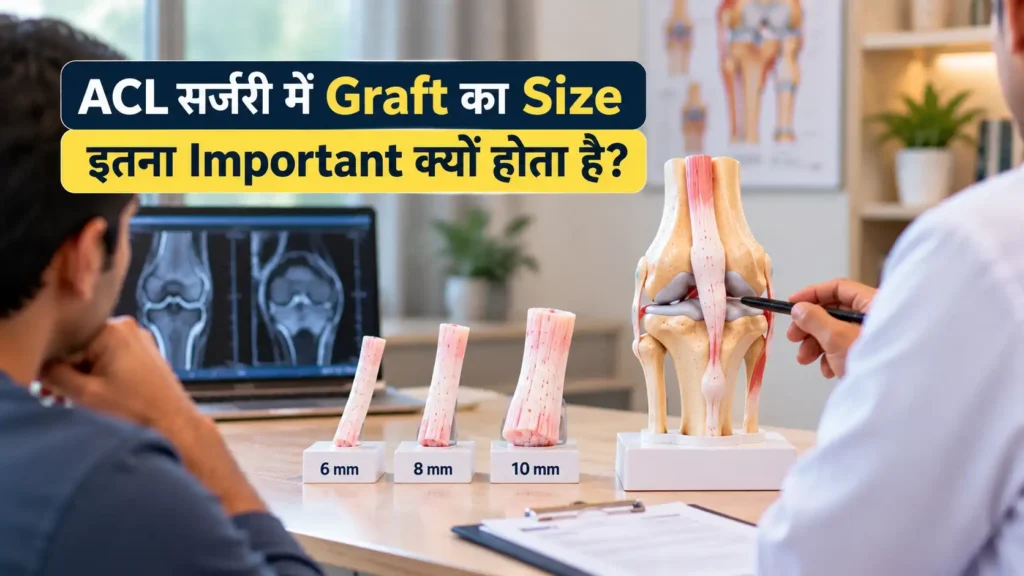
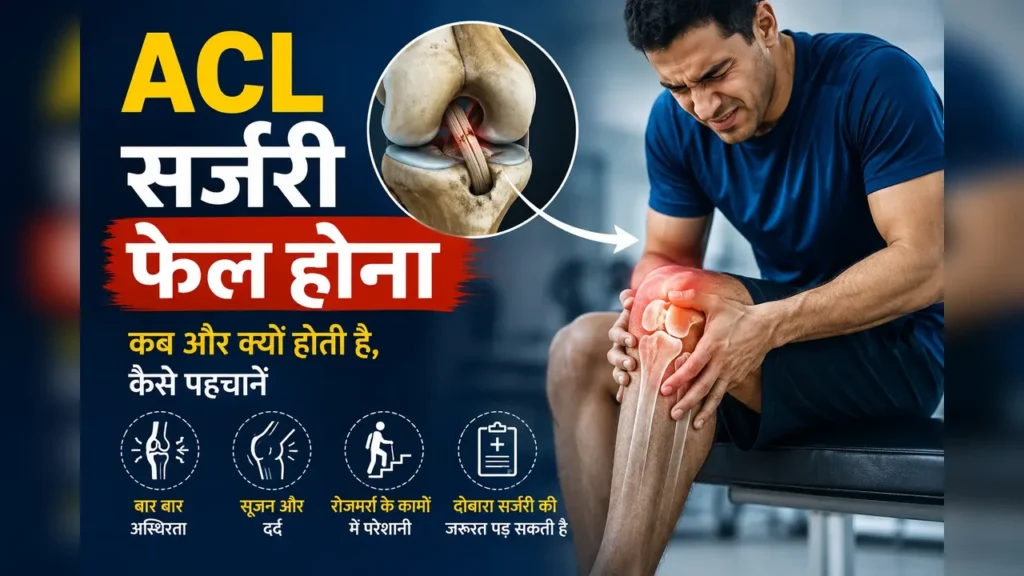
- ACL / PCL Tears (knee instability)
- Meniscus and Cartilage Damage (joint pain, locking)
- Rotator Cuff Tears (shoulder weakness)
- Tennis Elbow / Golfer’s Elbow
- Shin Splints
- Ankle Sprains
- Stress Fractures
- Muscle Strains (Hamstring / Calf / Back)
➡️ According to the American Orthopaedic Society for Sports Medicine (AOSSM), nearly 50% of sports injuries can be prevented with proper conditioning and warm-up.
Why Sports Injuries Happen – The Root Causes
Most athletes don’t get injured because of one bad move — it’s usually a combination of factors building up silently.
Here are the most common reasons:
- Skipping Warm-Ups or Cool-Downs
- Muscle Imbalance (strong quads, weak hamstrings)
- Overtraining Without Rest
- Poor Posture or Wrong Technique
- Weak Core Stability
- Worn-Out Footwear or Poor Support
- Inadequate Sleep or Hydration
In other words — injuries don’t just happen on the field, they happen because of what we ignore off the field.
The Surgeon’s 6-Step Formula to Prevent Sports Injuries
After treating hundreds of athletes at Synovia Clinic, Dr. Prince Uchadiya has developed a simple yet powerful prevention framework.
Follow these six pillars to keep your body strong, balanced, and injury-free.
1. Warm Up Like a Pro
A proper 10–15 minute warm-up increases blood flow, loosens muscles, and prepares joints for impact.
Try this sequence:
- 5 mins of light jogging or cycling
- Dynamic stretches (leg swings, arm circles, shoulder rolls)
- Sport-specific drills (shadow movements or short sprints)
“Skipping a warm-up is like driving a cold car engine — it won’t perform well, and something will break.”
2. Build Flexibility & Core Strength
Tight muscles and a weak core are major culprits behind most injuries.
Include stretching, yoga, and Pilates in your weekly routine.
Focus areas:
- Hamstrings
- Quadriceps
- Hip flexors
- Shoulder rotators
- Lower back
A strong core improves balance, posture, and reaction — all essential for preventing ligament tears.
3. Respect the Rest Days
Your muscles grow and repair when you rest, not when you push harder.
Overtraining causes fatigue, poor coordination, and microtears that may lead to major injuries.
Golden Rule:
Follow the “3:1 Rule” — three days of intense activity followed by one day of rest or low-impact recovery.
Sleep 7–8 hours daily.
Hydrate regularly.
Listen to your body — it always gives signals before breaking down.
4. Invest in the Right Gear
Worn-out shoes, improper insoles, or lack of protective equipment are silent injury-makers.
Checklist:
- Replace shoes every 400–500 km of running.
- Use ankle or knee braces if prone to injury.
- Ensure sports surfaces (turf, court) are well maintained.
➡️ A study by the National Institutes of Health (NIH) found that 60% of lower limb injuries were linked to poor footwear or training surfaces.
5. Focus on Technique, Not Just Intensity
Even experienced athletes can get injured due to bad form.
Whether you lift weights, bowl a cricket ball, or serve in tennis — the right biomechanics protect your muscles and joints.
What you can do:
- Train under a certified coach or physiotherapist.
- Avoid ego lifting — quality matters more than quantity.
- Film your movements and review your form regularly.
At Synovia Clinic, every rehab program includes technique correction to ensure patients don’t reinjure themselves post-recovery.
6. Recover Smartly After Every Game
Recovery is as important as the workout itself.
Simple post-activity habits prevent inflammation and fatigue.
Post-game care:
- Ice sore muscles for 10–15 minutes
- Gentle stretches
- Light massage or foam rolling
- Hydrate and refuel with protein-rich meals
“Muscle soreness means you trained well. Sharp pain means you trained wrong. Learn to tell the difference.”
— Dr. Prince Uchadiya
When to See a Doctor or Sports Injury Specialist
Sometimes, pain doesn’t go away with rest or basic care.
If you notice these signs, consult an orthopedic or sports injury surgeon immediately:
- Pain lasting more than 3–5 days
- Swelling, bruising, or visible deformity
- Inability to move a joint normally
- Numbness or tingling
- Pain worsening with activity
Early intervention ensures faster recovery and prevents chronic issues like tendonitis or arthritis.
➡️ AAOS recommends early orthopedic evaluation for any injury that affects performance or mobility for more than a week.
Real Story – “From Sidelines to Sprinting Again”
Case Study:
Rahul, a 24-year-old football player from Indore, suffered a hamstring strain before a district match.
Instead of rushing back, he followed Dr. Prince Uchadiya’s guided sports injury rehab plan at Synovia Clinic.Within 4 weeks, Rahul regained full strength and returned to competition pain-free.
“Earlier, I used to play through pain. Now, I play smarter and stronger.”
Quick Injury Prevention Chart
| Injury Type | Common Cause | Prevention Tip |
|---|---|---|
| ACL Tear | Sudden twisting during sports | Strengthen quads & hamstrings equally |
| Shoulder Strain | Overhead motions (cricket, tennis) | Focus on rotator cuff strengthening |
| Ankle Sprain | Uneven surface, poor footwear | Balance training & supportive shoes |
| Shin Splints | Overtraining or hard surfaces | Gradual mileage increase, proper shoes |
| Tennis Elbow | Repetitive wrist use | Forearm stretching & ergonomic grip |
| Hamstring Pull | Lack of warm-up | Dynamic stretching before play |
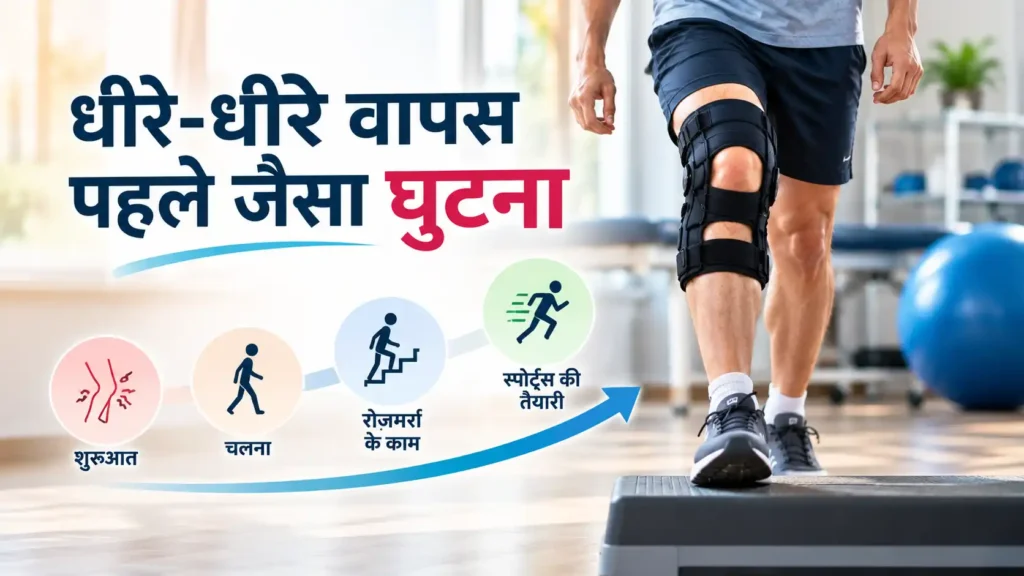
The Role of Post-Injury Rehabilitation
Even with prevention, some injuries are unavoidable.
That’s where Post-Injury Rehabilitation (also available at Synovia Clinic) helps restore:
- Strength and flexibility
- Coordination and posture
- Confidence in movement
Structured rehab ensures you return to play stronger than before, reducing re-injury risk by up to 70%.
Common Myths About Sports Injuries
| Myth | Fact |
|---|---|
| “Pain means progress.” | No. Pain is the body’s way of signaling damage. |
| “Stretching after injury worsens it.” | Gentle stretches improve healing and flexibility. |
| “You should always rest completely.” | Controlled activity helps faster recovery. |
| “Once injured, you’ll never be the same.” | With proper rehab, 90% of athletes return stronger. |
Why Choose Synovia Clinic for Sports Injury Care in Indore
- Gold Medalist Orthopedic & Arthroscopic Surgeon
- Expert in Sports Injury & Minimally Invasive Procedures
- Dedicated Physiotherapy & Rehabilitation Unit
- Personalized Recovery Plans for Every Athlete
- Modern Equipment for Diagnosis & Arthroscopy
- Trusted by Athletes and Active Professionals Across Indore
At Synovia Clinic, every athlete receives holistic care — from prevention to surgery to full recovery — ensuring no one stays off the field for long.
FAQs – Preventing Common Sports Injuries
Q1. What is the most common sports injury?
Knee ligament injuries (especially ACL tears) and ankle sprains are the most frequent among athletes.
Q2. Can stretching prevent injuries?
Yes. Proper stretching before and after workouts improves flexibility and prevents strains.
Q3. Should I apply heat or ice after injury?
Use ice in the first 48 hours to reduce swelling, then heat for stiffness relief.
Q4. When can I return to sports after injury?
Only after medical clearance and completing full rehabilitation.
Q5. Can overtraining cause injuries?
Absolutely. Overtraining leads to fatigue, poor form, and higher risk of muscle or tendon injury.